

The Link Between Restless Leg Syndrome and Sleepless Nights
Restless Leg Syndrome often causes uncomfortable leg sensations that intensify at night, making it difficult to fall and stay asleep. This repeated sleep disruption can lead to chronic fatigue, irritability, and reduced focus during the day. If sleepless nights are affecting your quality of life, consult Dr. David Husted for a comprehensive evaluation and personalized treatment plan. For more information, contact us today or book an appointment online. We are conveniently located at 2950 Halcyon Lane Suite 605 Jacksonville, FL 32223.
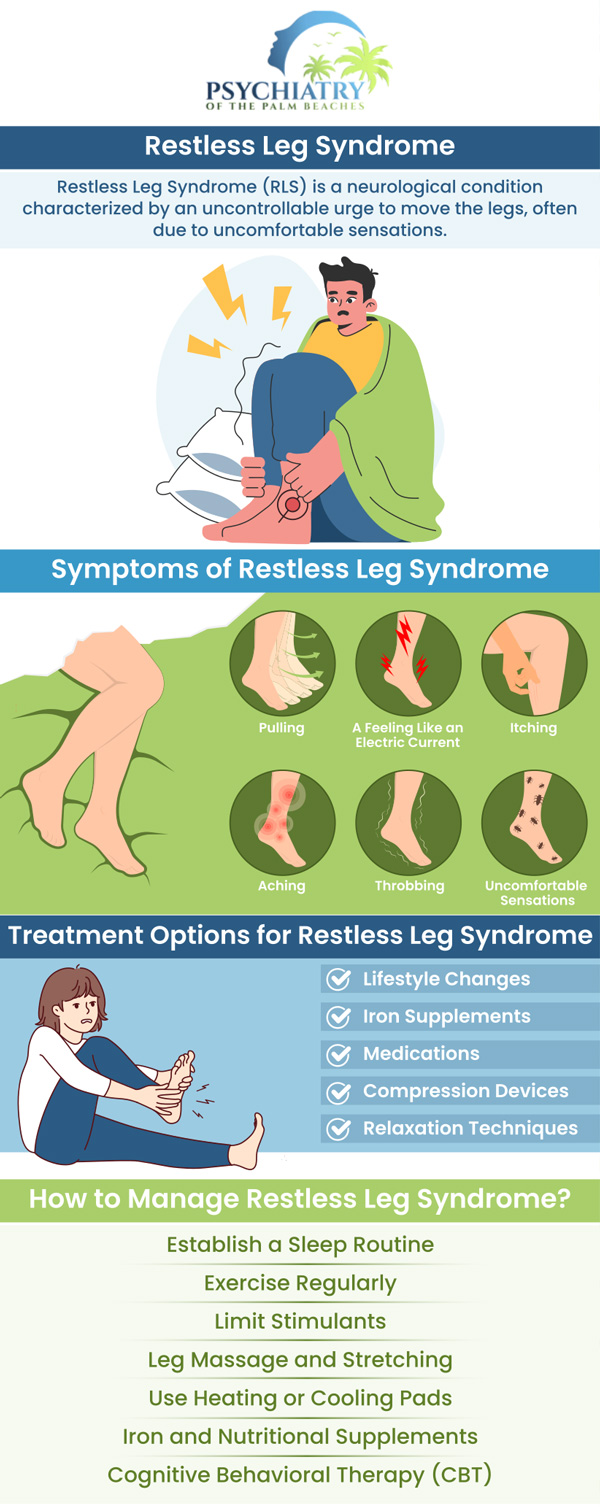
Table of Contents:
Can RLS cause insomnia?
Are there treatments to help improve sleep with RLS?
Can sleep disorders worsen RLS symptoms?
Can treating RLS improve sleep quality?
How Restless Leg Syndrome Contributes to Sleepless Nights, Explained at Psychiatry of the Palm Beaches
Many individuals with RLS struggle to get quality sleep because the discomfort and constant urge to move can make falling or staying asleep extremely challenging. This sleep disruption often leads to insomnia, a condition we frequently address in our practice. Insomnia caused by RLS can prevent you from reaching the deep, restorative stages of sleep your mind and body need. Over time, this chronic sleep deprivation can contribute to daytime fatigue, mood changes, irritability, difficulty concentrating, and a decreased quality of life.
If you suspect RLS is interfering with your sleep or affecting your mood and daily functioning, we encourage you to reach out. Our comprehensive, personalized approach can help identify underlying causes and develop an effective treatment plan to improve both your sleep and your mental health.
At Psychiatry of the Palm Beaches, we understand how disruptive Restless Legs Syndrome (RLS) can be to your sleep and daily life. Our team provides personalized care focused on reducing symptoms and helping you rest more comfortably.
Comprehensive Assessment and Personalized Treatment Plans
Treatment starts with a thorough evaluation to identify underlying causes such as iron deficiency or related medical conditions. We review your health history and symptoms carefully, then create a plan tailored to your specific needs.
Lifestyle Modifications and Sleep Hygiene
Many patients improve with practical changes like maintaining a consistent sleep schedule, limiting caffeine and alcohol, and adding moderate exercise. We also guide you on sleep hygiene strategies, including reducing screen time and creating a calm, dark sleep environment.
Medication Management
If symptoms are moderate to severe, medication may be recommended. Options can include dopaminergic agents, anticonvulsants, or other therapies chosen based on your health profile. We monitor progress closely to ensure effectiveness and minimize side effects.
Non-Pharmacological Therapies and Support
Supportive options such as leg massage, warm baths, heating pads, or cold therapy can also ease discomfort. We evaluate coexisting conditions like sleep apnea to further improve sleep quality.
Ongoing Support from a Compassionate Team
Our goal is simple: help you achieve more restful nights and better daytime functioning through individualized, attentive care.
RLS is a neurological condition marked by an uncontrollable urge to move the legs, often accompanied by uncomfortable sensations—symptoms that typically become more pronounced in the evening or at night.
Many individuals seeking care at our practice struggle with both RLS and sleep disorders such as insomnia, sleep apnea, or periodic limb movement disorder. These coexisting conditions can create a challenging cycle: poor sleep quality or insufficient rest can intensify the discomfort of RLS, increase symptom frequency, and fragment the sleep cycle. As a result, patients may experience greater daytime fatigue, irritability, and a worsening of neurological symptoms.
Additionally, chronic sleep disruptions can elevate stress and anxiety levels, further amplifying RLS symptoms. At Psychiatry of the Palm Beaches, our team is experienced in addressing these interconnected issues. We provide comprehensive evaluations to identify underlying sleep disorders and develop individualized treatment plans. Our approach may include improving sleep hygiene, managing coexisting mental health or medical conditions, and, when appropriate, prescribing medications to alleviate symptoms and restore healthy sleep patterns.
Restless Legs Syndrome (RLS) often disrupts sleep due to uncomfortable sensations and the urge to move the legs, especially at night. At Psychiatry of the Palm Beaches, we understand how RLS can impact both your sleep quality and overall well-being. Our experienced providers offer comprehensive evaluation and personalized treatment plans for individuals struggling with RLS. Effective management—whether through medication, lifestyle modifications, or addressing underlying conditions such as iron deficiency—can significantly reduce the frequency and severity of leg sensations.
Patients treated for RLS often experience fewer nighttime awakenings and spend more time in restorative sleep stages, leading to more refreshing sleep and improved daytime functioning. Better sleep quality not only enhances mood and daily performance but also lowers the risk of long-term health complications associated with chronic sleep deprivation. If you are struggling with persistent sleep issues related to RLS, our team can help you explore tailored treatment options to improve your sleep and overall quality of life.
At Psychiatry of the Palm Beaches, Dr. David Husted frequently works with patients whose sleep is disrupted by Restless Leg Syndrome (RLS). He understands how frustrating it can be to feel exhausted, yet unable to rest because of uncomfortable sensations in your legs.
RLS often feels like creeping, tingling, itching, or pulling sensations that create a strong urge to move. These symptoms tend to worsen in the evening, just when you are trying to wind down. The constant need to shift or get up can make it difficult to fall asleep and even harder to stay asleep.
Dr. Husted recognizes that poor sleep does not just affect the night. It can lead to daytime fatigue, difficulty concentrating, irritability, and low mood. Over time, this cycle of discomfort and insomnia can increase stress and anxiety, making symptoms feel even worse.
His approach is comprehensive and individualized. He evaluates possible medical contributors, reviews medications, and screens for conditions like anxiety or depression that may intensify RLS. Treatment may include lifestyle adjustments, sleep strategies, coordination with other providers, and medication when appropriate.
The goal is clear: reduce symptoms, restore restful sleep, and improve your overall quality of life with thoughtful, personalized care. For more information, contact us today or book an appointment online. We are conveniently located at 2950 Halcyon Lane Suite 605 Jacksonville, FL 32223. We serve patients from Jacksonville FL, Riverside FL, Mandarin FL, Julington Creek FL, Fruit Cove FL, Orange Park FL, and surrounding areas.
Check Out Our 5 Star Reviews



Additional Services You May Need
▸ Mental Wellness
▸ Relationship Coaching
▸ Depression and Mood Disorders
▸ Women’s Health
▸ Panic Disorder
▸ Medications Management
▸ Men’s Health
▸ Individual Psychotherapy
▸ Bipolar
▸ ADHD
▸ Geriatric Mental Health
▸ Couple’s Counseling
▸ Obsessive Compulsive Disorder
▸ Social Phobia Treatment
▸ Eating Disorders
▸ Post Traumatic Stress Disorder
▸ Psychotic Disorders



 Send Text
 How May I Help You?