

What Treatment Options are Available for Impulse Control Disorder in Fort Lauderdale, FL?
At Psychiatry of the Palm Beaches, our team provides individualized psychiatric care to help patients better understand and manage impulse control difficulties. Our team focuses on identifying behavioral patterns, emotional triggers, and underlying mental health concerns that may contribute to impulsive actions. Through comprehensive evaluations, personalized treatment planning, and ongoing support, we aim to help patients strengthen emotional regulation, develop healthier coping strategies, and improve their daily functioning and overall quality of life. For more information, contact us today or book an appointment. We are conveniently located at 3107 Stirling Road, Suite 107, Ft. Lauderdale, FL 33312.
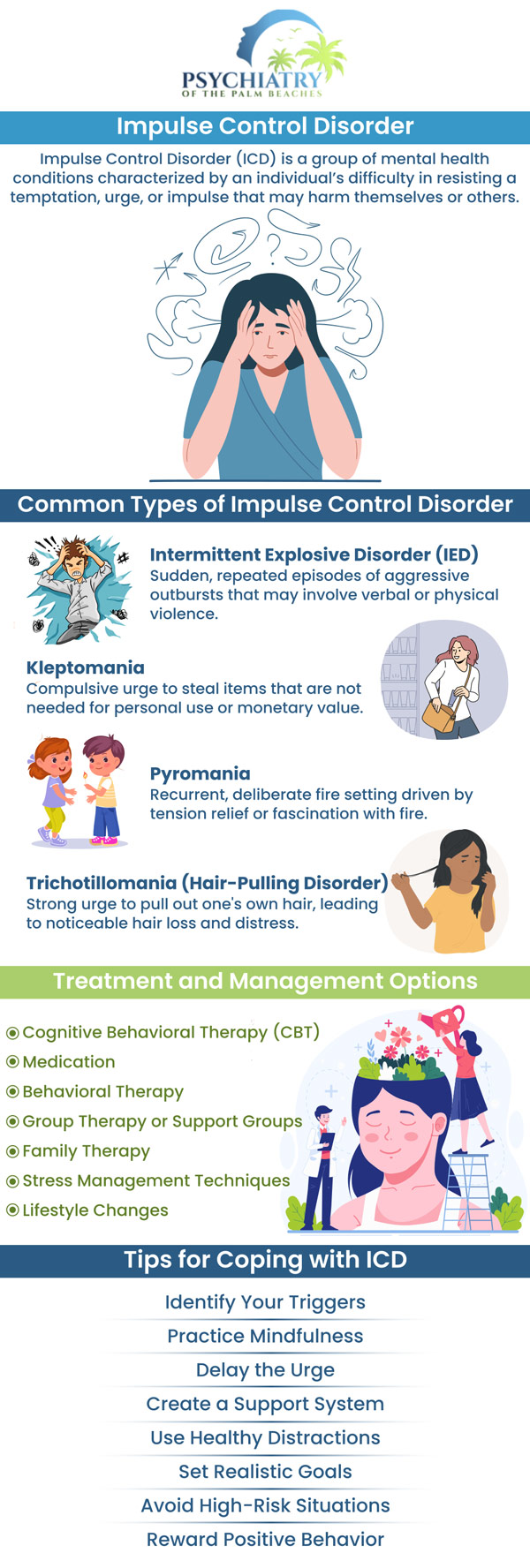
Table of Contents:
What treatment options may be considered for impulse control disorder?
How does a psychiatrist determine the appropriate care approach?
What happens during an impulse control disorder treatment assessment?
How can therapy and psychiatric support help manage impulsive behaviors?
How can mental health treatment support long-term behavioral wellness?
How can Psychiatry of the Palm Beaches provide comprehensive impulse control disorder treatment options for patients in Fort Lauderdale, FL?
Impulse control disorder treatment focuses on helping individuals recognize unhealthy behavioral patterns, manage emotional reactions, and develop greater control over their actions. Treatment options may include psychotherapy, behavioral interventions, psychiatric evaluations, and medication management when clinically appropriate.
Cognitive behavioral therapy (CBT) may help individuals identify thoughts and situations that contribute to impulsive behaviors. Treatment can also involve learning emotional regulation techniques, improving decision-making skills, and developing healthier responses to stressful circumstances.
At Psychiatry of the Palm Beaches, our team considers each patient’s symptoms, behavioral concerns, and personal circumstances when discussing available treatment options. We emphasize individualized care, ongoing assessment, and supportive guidance to help patients work toward emotional stability.
A psychiatrist determines the most suitable treatment approach by carefully reviewing an individual’s symptoms, behavioral patterns, medical background, and mental health history. This evaluation helps identify the frequency, intensity, and possible triggers of impulsive behaviors. Understanding how these symptoms interfere with relationships, responsibilities, and daily functioning is also an important part of treatment planning.
During the evaluation, our team may explore emotional difficulties, previous treatment experiences, and any coexisting psychiatric conditions. Psychiatrists also consider factors such as age, lifestyle, personal goals, and individual responses to previous interventions.
Our team focuses on developing personalized psychiatric care plans based on each patient’s specific needs. Our team evaluates relevant clinical factors and provides ongoing guidance to help patients understand their treatment options and make informed decisions about their mental health care.
An impulse control disorder treatment assessment typically begins with a detailed conversation about the patient’s symptoms, emotional experiences, and behavioral concerns. A psychiatrist may ask when impulsive behaviors first appeared, how frequently they occur, and whether particular situations trigger these reactions. This initial discussion helps establish a clearer understanding of the individual’s difficulties and treatment needs.
The assessment may also include reviewing medical history, family mental health history, current medications, and previous psychiatric treatment. Our team may ask how impulsive behaviors affect work, social interactions, financial decisions, or personal relationships. Screening for other mental health conditions may be necessary because certain symptoms can overlap with other psychiatric disorders.
Our team approaches each assessment with attention to the patient’s individual experiences and concerns. We use the information gathered during the evaluation to discuss potential treatment strategies, establish realistic care goals, and determine appropriate next steps for ongoing psychiatric support.
Therapy and psychiatric support can help individuals better understand the thoughts, emotions, and circumstances that influence impulsive behaviors. Through structured therapeutic approaches, patients may learn to recognize warning signs before acting on an impulse. Developing greater awareness of these patterns can support improved emotional control and more thoughtful decision-making in everyday situations.
Therapeutic interventions may focus on identifying triggers, managing frustration, improving problem-solving abilities, and practicing healthier coping techniques. Psychiatric support can also help address accompanying mental health concerns that may intensify impulsive reactions. Our team emphasizes the importance of consistent participation in treatment and applying behavioral strategies outside clinical appointments.
Our team supports patients through individualized psychiatric evaluations, treatment planning, and follow-up care. Our team works to help individuals understand their behavioral challenges, strengthen emotional regulation skills, and establish practical strategies for managing impulsive actions more effectively.
Mental health treatment can support long-term behavioral wellness by helping individuals understand the underlying factors contributing to impulsive actions. Rather than focusing only on immediate symptoms, ongoing care encourages patients to recognize recurring behavioral patterns and develop healthier emotional responses.
Long-term treatment may involve regular psychiatric appointments, therapeutic interventions, medication monitoring when appropriate, and continued practice of coping strategies. Our team may also encourage patients to recognize early warning signs of behavioral difficulties and identify situations that increase emotional stress.
Our team emphasizes individualized treatment planning and continued psychiatric support for patients managing impulse control concerns. Our team focuses on helping individuals build sustainable behavioral habits, strengthen emotional resilience, and maintain progress toward improved mental health and everyday stability.
Impulse control difficulties can affect several areas of life, including emotional well-being, relationships, workplace responsibilities, and everyday decisions. Comprehensive psychiatric treatment focuses on understanding these challenges while identifying strategies that may help individuals respond more effectively to emotional triggers. A personalized approach is important because symptoms, behavioral patterns, and treatment needs can vary considerably between patients.
Our team recognizes that managing impulsive behaviors may require a combination of psychiatric evaluation, psychotherapy, behavioral strategies, and medication management when clinically indicated. A comprehensive care approach also considers accompanying mental health conditions, previous treatment experiences, and personal wellness goals.
At Psychiatry of the Palm Beaches, our team is committed to helping patients in Fort Lauderdale, FL, understand their impulse control concerns and consider appropriate psychiatric treatment options. For more information, contact us today or book an appointment. We are conveniently located at 3107 Stirling Road, Suite 107, Ft. Lauderdale, FL 33312. We serve patients from Ft. Lauderdale FL, Ravenswood Estates FL, Oakridge FL, Emerald Hills FL, Avon Park FL, Liberia FL, and surrounding areas.
Check Out Our 5 Star Reviews



Additional Services You May Need
▸ Mental Wellness
▸ Relationship Coaching
▸ Depression and Mood Disorders
▸ Women’s Health
▸ Panic Disorder
▸ Medications Management
▸ Men’s Health
▸ Individual Psychotherapy
▸ Bipolar
▸ ADHD
▸ Geriatric Mental Health
▸ Couple’s Counseling
▸ Obsessive Compulsive Disorder
▸ Social Phobia Treatment
▸ Eating Disorders
▸ Post Traumatic Stress Disorder
▸ Psychotic Disorders



 Send Text
 How May I Help You?
