

FAQs for Masochistic Personality Disorder
Masochistic Personality Disorder can make it feel like you are constantly standing in your own way. To help you navigate this condition, our FAQ guide delivers clear, informative answers to your biggest questions. At Psychiatry of the Palm Beaches, our trusted providers use evidence-based therapies to help you untangle self-sabotaging patterns. Through personalized support, we empower you to develop healthier coping strategies, elevate your self-esteem, and drastically improve your everyday quality of life. For more information, contact us or schedule an appointment online. We are located at 3107 Stirling Road, Suite 107, Ft. Lauderdale, FL 33312.
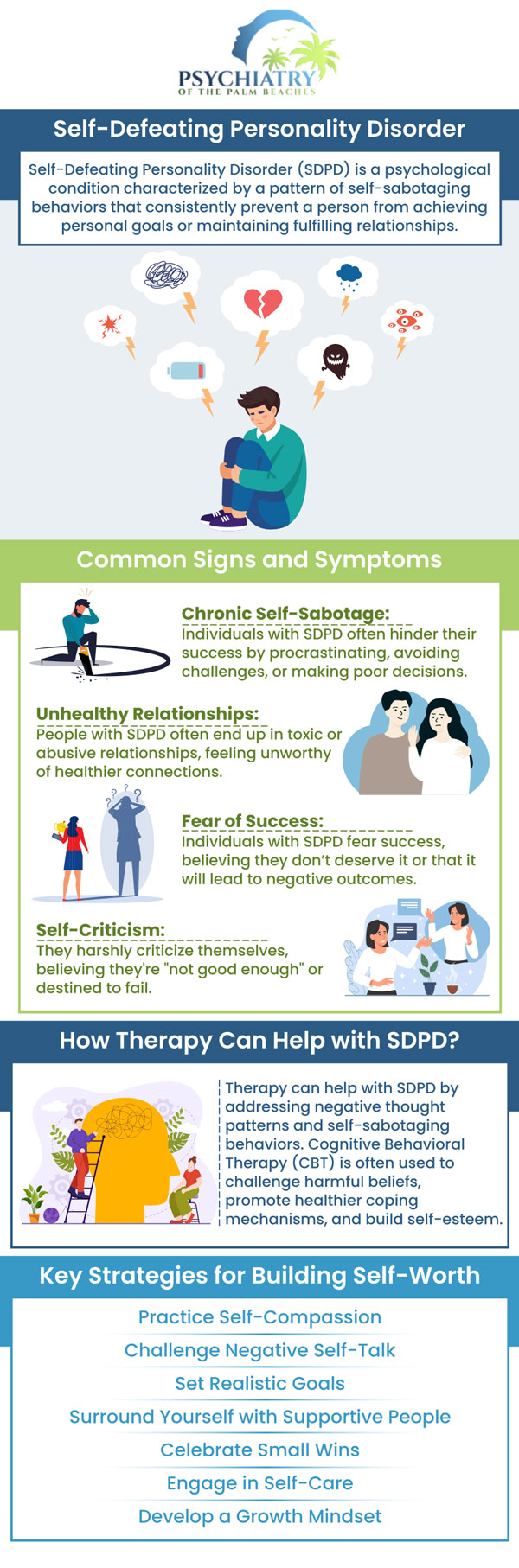
Table of Contents:
What are the symptoms of Masochistic Personality Disorder?
How is Masochistic Personality Disorder diagnosed?
What causes Masochistic Personality Disorder?
How is Masochistic Personality Disorder treated?
Can someone with Masochistic Personality Disorder change their behavior?
How does Masochistic Personality Disorder affect relationships?
What types of therapy are used to treat Masochistic Personality Disorder?
How can family and friends support someone with Masochistic Personality Disorder?
What are the long-term effects of Masochistic Personality Disorder?
Is Masochistic Personality Disorder linked to childhood trauma?
Can medication help treat Masochistic Personality Disorder?
Individualized Support for Masochistic Personality Disorder Symptoms
Masochistic Personality Disorder, also known as Self-Defeating Personality Disorder, is one such condition that can have a profound impact on individuals’ lives. This disorder is characterized by a longstanding pattern of self-defeating thoughts and behaviors. Individuals may repeatedly find themselves in situations or relationships that lead to disappointment, hurt, or failure—even when healthier options are available.
Common symptoms include:
● Consistently choosing environments or partners that result in emotional or physical suffering
● Undermining one’s own achievements or happiness, often feeling undeserving of success
● Rejecting opportunities for pleasure or improvement
● Responding to positive events with guilt, sadness, or a sense of unworthiness
● Provoking anger or rejection from others, reinforcing negative self-views
● Sabotaging support or help offered by loved ones or professionals
These patterns are not simply the result of cultural or religious beliefs and typically affect many areas of life, including work, friendships, and intimate relationships.
Masochistic Personality Disorder, also called Self-Defeating Personality Disorder, is not formally recognized in the DSM-5. At Psychiatry of the Palm Beaches, clinicians assess persistent self-defeating patterns through in-depth interviews exploring thoughts, behaviors, relationships, and coping strategies. They differentiate these patterns from conditions like depression or borderline personality disorder and may gather input from family or use standardized assessments. The goal is to understand how self-sacrificing behaviors affect daily functioning. Our compassionate team provides a supportive environment to explore these patterns and guide individuals toward healthier coping strategies and improved well-being.
While the exact root cause of Masochistic Personality Disorder—frequently referred to as Self-Defeating Personality Disorder (SDPD)—is not definitively known, the team at Psychiatry of the Palm Beaches notes that several intersecting factors typically contribute to its development:
● Early Childhood Experiences: Individuals who have experienced severe neglect, abuse, or trauma during their formative years often develop maladaptive coping mechanisms that rely heavily on self-sabotage and self-punishment.
● Genetics: Some researchers believe that the disorder, or the underlying psychological vulnerability to it, may be inherited, although the specific responsible genes have not yet been identified.
● Environmental Factors: Growing up in an abusive or unsupportive environment, a lack of positive reinforcement, or experiencing repeated life failures can foster profound feelings of helplessness, triggering ongoing self-defeating cycles.
● Personality Traits: Pre-existing traits such as harsh self-criticism, chronic low self-esteem, and relentless perfectionism significantly increase the risk, as setting unrealistic expectations inevitably leads to feeling overwhelmed and defeated.
Masochistic Personality Disorder, also called Self-Defeating Personality Disorder, involves deeply rooted self-sabotaging patterns. At Psychiatry of the Palm Beaches, our experienced team provides compassionate, individualized care.
Psychotherapy is the cornerstone of treatment. Cognitive Behavioral Therapy (CBT) helps patients identify and change self-defeating thoughts and behaviors. One-on-one sessions explore patterns like guilt, low self-esteem, or avoidance of success, helping patients develop healthier coping skills, boost self-worth, and improve relationships.
Group therapy offers peer support and interpersonal skill-building, while medication management may be recommended for co-occurring conditions such as depression or anxiety. Family or couples therapy is also available to address relational impacts.
Our clinicians emphasize early intervention, consistent support, and long-term therapeutic partnerships to promote lasting behavioral change, healthier relationships, and overall well-being.
Masochistic Personality Disorder, also known as Self-Defeating Personality Disorder, can significantly affect well-being and relationships. Individuals may consistently choose situations or relationships that lead to disappointment, failure, or mistreatment, and may unknowingly undermine their own successes.
How We Can Help: Change is possible. At Psychiatry of the Palm Beaches, we use evidence-based therapies like cognitive-behavioral therapy (CBT), schema therapy, and personalized approaches to help patients recognize and challenge harmful thought patterns. Our goal is to develop healthier coping strategies, boost self-esteem, and set appropriate boundaries in relationships.
A Compassionate, Collaborative Approach: We understand that letting go of familiar, though harmful, patterns can be difficult. Our therapists work collaboratively to build insight and trust, supporting change at a comfortable pace for each individual.
The Importance of Support: Involving trusted friends, family, or support networks can reinforce progress and provide positive encouragement throughout therapy.
Your Wellness is Our Priority: With early intervention and commitment to self-exploration, patients can achieve meaningful improvements in behavior, relationships, and overall quality of life. Psychiatry of the Palm Beaches is dedicated to guiding you toward lasting positive change.
Individuals struggling with masochistic personality disorder may unconsciously invite mistreatment or repeated disappointment, even when healthier options are available. For example, you or your loved one might find yourself drawn to partners who are critical, neglectful, or even abusive. The tendency to consistently put others’ needs above your own can lead to emotional exhaustion and resentment—not just for yourself, but for your partner as well.
Family relationships and friendships can also be affected. Many people with this disorder frequently sacrifice their own happiness to please others, sometimes to the point of emotional distress or self-neglect. Accepting kindness, help, or positive feedback may feel uncomfortable, causing further isolation and frustration for both the individual and their loved ones. Communication can break down, as expressing needs or true feelings may be avoided out of fear of conflict or rejection. Over time, these patterns can erode trust and intimacy, making it difficult to maintain healthy, balanced relationships.
Through personalized therapy, we work with you to build healthier relationship dynamics, improve communication, and foster greater self-acceptance.
At Psychiatry of the Palm Beaches, we understand that Masochistic Personality Disorder—also called Self-Defeating Personality Disorder—can profoundly impact life quality. Individuals may repeatedly engage in relationships or situations that lead to disappointment or emotional pain, often undermining their own chances for happiness and success.
Comprehensive Treatment at Psychiatry of the Palm Beaches: Psychotherapy is the cornerstone of treatment, with approaches tailored to each patient:
● Cognitive-Behavioral Therapy (CBT): Helps patients identify and challenge negative, self-defeating thoughts and behaviors, fostering healthier coping strategies.
● Psychodynamic Therapy: Explores unconscious motivations and early life experiences that contribute to self-defeating patterns, increasing self-awareness for better life choices.
● Schema Therapy: Combines cognitive, behavioral, and psychodynamic methods to target deeply ingrained negative beliefs driving harmful behaviors.
Group, Family, and Couples Therapy: Social support is vital. Group therapy allows sharing experiences and practicing interpersonal skills, while family or couples therapy addresses relational patterns contributing to self-defeating behaviors.
Integrated Care for Co-Occurring Conditions: Our psychiatrists manage co-occurring conditions such as depression or anxiety, which may benefit from medications as part of a comprehensive care plan.
Your Path to Healing Starts Here: Our goal is to help patients build healthier thought patterns, improve self-esteem, and foster fulfilling relationships through compassionate, long-term therapy.
Family and friends play a crucial role in supporting loved ones struggling with Masochistic Personality Disorder (also known as Self-Defeating Personality Disorder). Our practice encourages those close to individuals with this condition to take the first step by educating themselves about the disorder. Understanding the symptoms and unique challenges your loved one faces can foster empathy and set the foundation for effective support.
Consistent emotional support and patience are essential. Individuals with this disorder may have difficulty accepting help or may unintentionally undermine their own progress. We advise listening without judgment, validating your loved one’s feelings, and gently encouraging healthier patterns of thinking and behavior.
Building trust through open communication is important, but so is setting healthy boundaries to prevent enabling self-defeating behaviors. Encouraging your loved one to seek professional care, such as therapy or counseling at our practice, can be a key step towards recovery. You might offer to help them find resources, schedule appointments, or accompany them to sessions at Psychiatry of the Palm Beaches—sometimes, this extra support can make all the difference.
Additionally, supporting self-care activities, celebrating even small achievements, and fostering a positive, accepting environment can help your loved one challenge negative self-perceptions.
It’s equally important for family and friends to care for their own well-being. Seeking guidance from our experienced mental health professionals or joining support groups can provide you with strategies and reassurance as you navigate this journey together.
At Psychiatry of the Palm Beaches, we understand the challenges of Masochistic Personality Disorder, also called Self-Defeating Personality Disorder. This condition involves persistent self-defeating thoughts and behaviors, such as choosing situations or relationships that lead to disappointment, mistreatment, or failure, even when healthier options exist.
Impact on Life: Over time, these patterns can affect relationships, career, education, and personal fulfillment. Individuals may feel exploited or emotionally hurt, leading to low self-esteem, chronic anxiety, or depression. Self-sabotage can prevent advancement in work or personal goals and contribute to stagnation.
Emotional and Physical Toll: The emotional strain often results in depression, anxiety, or substance use. Chronic stress may cause headaches, sleep disturbances, and gastrointestinal issues. Social isolation is common, as repeated negative experiences can lead to withdrawal from family, friends, or community.
Path to Recovery: With evidence-based treatment—including individual and group therapy, skill-building, and support for co-occurring conditions—patients can develop healthier coping strategies, build self-esteem, and form positive relationships. Psychiatry of the Palm Beaches helps individuals break self-defeating patterns and work toward a more fulfilling, balanced life.
At Psychiatry of the Palm Beaches, we recognize that self-defeating behaviors—sometimes called Masochistic Personality traits—can deeply affect mental health and daily life. While not an official DSM-5 diagnosis, these patterns often have roots in childhood experiences.
Many individuals with these traits have experienced emotional, physical, or sexual abuse, neglect, or unstable caregiving. Coping mechanisms that were adaptive in childhood can become maladaptive in adulthood, leading to self-sabotaging or self-sacrificing behaviors. These patterns are often linked to deep-seated beliefs about unworthiness, guilt, or a need to seek familiar—even negative—experiences.
Not everyone with childhood trauma develops these behaviors. Genetic, psychological, and environmental factors also play a role. Psychiatry of the Palm Beaches takes a holistic, trauma-informed approach, combining psychotherapy, medication management, and individualized support. Our team helps patients break harmful patterns, build healthier coping skills, and work toward healing and more fulfilling relationships.
At Psychiatry of the Palm Beaches, treatment for Masochistic Personality Disorder—also called Self-Defeating Personality traits—focuses primarily on psychotherapy. Cognitive-behavioral therapy (CBT) helps clients identify self-defeating thoughts, develop healthier coping strategies, and increase self-awareness.
Medication is not typically used to treat the core personality patterns. However, our board-certified psychiatrists may recommend medications if co-occurring conditions like depression, anxiety, or obsessive-compulsive symptoms are present. In these cases, medication can relieve associated symptoms, improve daily functioning, and enhance engagement in therapy.
Each treatment plan is personalized to address individual needs and goals. By combining therapy with medication when appropriate, our team helps clients break harmful cycles, build self-esteem, and achieve meaningful, lasting change.
At Psychiatry of the Palm Beaches, care for Masochistic Personality Disorder focuses on helping patients understand self-defeating patterns, emotional triggers, and relationship challenges that may affect daily life. The clinic provides personalized mental health support based on each patient’s symptoms, history, and goals. Treatment may include therapy-based coping strategies, cognitive behavioral techniques, emotional regulation support, boundary-setting guidance, and individualized care planning. Psychiatry of the Palm Beaches helps patients build greater self-awareness, develop healthier responses, improve confidence, and support emotional well-being through a compassionate and structured approach. For more information, contact us or schedule an appointment online. We are located at 3107 Stirling Road, Suite 107, Ft. Lauderdale, FL 33312.We serve patients from Ft. Lauderdale FL, Hollywood FL, Oakridge FL, Dania Beach FL, Lauderhill FL, and surrounding areas.
Check Out Our 5 Star Reviews



Additional Services You May Need
▸ Mental Wellness
▸ Relationship Coaching
▸ Depression and Mood Disorders
▸ Women’s Health
▸ Panic Disorder
▸ Medications Management
▸ Men’s Health
▸ Individual Psychotherapy
▸ Bipolar
▸ ADHD
▸ Geriatric Mental Health
▸ Couple’s Counseling
▸ Obsessive Compulsive Disorder
▸ Social Phobia Treatment
▸ Eating Disorders
▸ Post Traumatic Stress Disorder
▸ Psychotic Disorders



 Send Text
 How May I Help You?