

Self-Awareness and Emotional Regulation in SDPD Recovery
Self-awareness and emotional regulation are crucial components of SDPD recovery, and at Psychiatry of the Palm Beaches, our team is dedicated to helping patients develop these skills. By gaining a deeper understanding of their emotions and learning how to manage them, individuals can break free from self-defeating patterns. Our team provides personalized support to guide patients through this transformative process, empowering them to achieve healthier relationships and long-term emotional stability. For more information, contact us or book an appointment online. Visit Psychiatry of the Palm Beaches serving Jacksonville, Boynton Beach, Palm Beach Gardens, Stuart, Royal Palm Beach, Port St. Lucie, Melbourne, Fort Lauderdale, and Jupiter, FL.
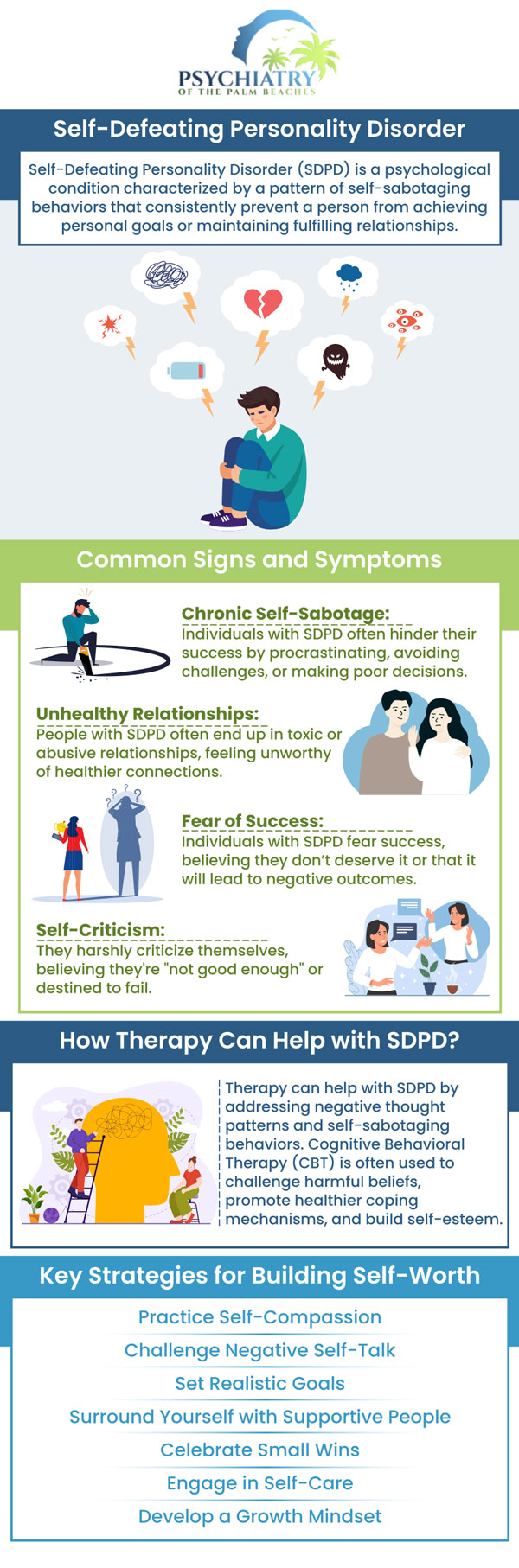
Table of Contents:
Why is self-awareness important for individuals recovering from self-defeating personality disorder?
How can emotional regulation skills help reduce self-sabotaging behavior?
What are practical ways to build self-awareness during therapy for SDPD?
How do therapists teach emotional control strategies for SDPD recovery?
Enhancing Self-Awareness and Emotional Regulation in SDPD Recovery with Dr. David Husted
We recognize the critical role that self-awareness plays in the recovery process for individuals struggling with self-defeating personality disorder (SDPD). SDPD is characterized by persistent patterns in which individuals unconsciously undermine their own success and well-being, often driven by deep-seated feelings of unworthiness or a tendency to fulfill negative self-expectations.
Our clinicians work closely with patients to help them develop greater self-awareness—an essential step toward healing and lasting change. By becoming more attuned to their own thoughts, emotions, and behaviors, patients can begin to understand the underlying motivations that fuel their self-defeating patterns. This heightened awareness allows them to identify triggers and automatic responses that may be holding them back.
At Psychiatry of the Palm Beaches, we use evidence-based therapeutic modalities, such as cognitive-behavioral therapy and mindfulness practices, to support our patients in recognizing moments of self-sabotage or negative self-talk. Through guided reflection, journaling, and other structured exercises, we help individuals challenge and reframe these ingrained patterns.
Self-awareness also enables our patients to distinguish between realistic self-assessment and the distorted self-image that often accompanies SDPD. By observing their reactions without harsh self-judgment, they can cultivate self-compassion and begin to replace self-defeating behaviors with more adaptive, positive actions.
At Psychiatry of the Palm Beaches, we understand that emotional regulation skills are essential for overcoming self-sabotaging behaviors and improving overall mental health. Many of our patients struggle with intense emotions—such as anxiety, frustration, or shame—that can feel overwhelming and may lead to impulsive decisions or harmful habits. For example, you may find yourself procrastinating on important tasks or engaging in negative self-talk when feeling anxious, even though these patterns ultimately get in the way of your goals and well-being.
Our team works with individuals to develop effective emotional regulation skills. Through personalized therapy and evidence-based strategies, we help you identify your emotional triggers and recognize the patterns that contribute to self-sabotaging actions. By learning to pause and reflect before reacting, you can begin to choose healthier, more constructive responses instead of falling into cycles of avoidance or self-criticism.
We incorporate techniques such as mindfulness, deep breathing exercises, and cognitive reframing into our treatment plans. These approaches empower you to manage difficult emotions in the moment, reducing the urge to engage in behaviors that undermine your progress. As you strengthen your emotional regulation abilities, you’ll also build greater self-awareness and resilience—making it easier to navigate setbacks and uncomfortable feelings in a healthy way.
Our goal is to support you in reducing self-sabotage, enhancing your emotional well-being, and achieving both your personal and professional goals. If you’re ready to break free from self-defeating patterns and take control of your emotional health, we’re here to help.
At Psychiatry of the Palm Beaches, we understand that building self-awareness is a crucial part of therapy for individuals with (SDPD). Our dedicated team of mental health professionals works closely with each patient to develop practical strategies for enhancing self-understanding, both during sessions and in daily life.
One effective approach we encourage is engaging in regular self-reflection exercises. Our therapists may recommend journaling as a way for patients to capture their thoughts, emotions, and reactions to various situations. Consistently writing about daily experiences, even when emotional responses seem minimal, can help patients begin to identify patterns in their feelings and behaviors.
Our clinicians also incorporate mindfulness techniques into therapy sessions. Mindfulness—focusing on the present moment without judgment—can be especially helpful for individuals with SDPD to become more attuned to subtle emotional cues. We guide patients through mindfulness exercises during appointments, and often provide recommendations for guided recordings to practice at home, gradually increasing comfort with recognizing and naming emotions.
We recognize the unique challenges that interpersonal situations can present. Our therapists provide a supportive environment for patients to discuss specific social interactions, exploring how they felt before, during, and after these encounters. This focused discussion helps patients gain insight into their social preferences and emotional needs.
Role-playing is another valuable tool we use in our practice. By acting out real-life or hypothetical scenarios in a safe therapeutic setting, patients have the opportunity to experiment with different responses and observe their own feelings and reactions. This experiential learning can help illuminate automatic patterns of avoidance or withdrawal, and open the door to trying new ways of connecting with others.
Our clinicians are experienced in supporting individuals recovering from self-defeating personality disorder (SDPD) through evidence-based, compassionate care. One of the cornerstones of our treatment approach is teaching emotional control strategies tailored to each patient’s needs.
Our process begins with psychoeducation, where our psychiatrists and therapists explain how emotions influence thoughts and behaviors—especially patterns that maintain self-defeating habits. Patients are gently guided to identify and label their emotions accurately, often using tools like mood tracking or journaling, which we integrate into personalized treatment plans.
Once emotional awareness is established, our team introduces effective cognitive-behavioral techniques. Patients learn to recognize automatic negative thoughts and cognitive distortions that contribute to self-sabotaging behaviors. Under the guidance of our skilled clinicians, patients practice challenging and reframing these thoughts, developing more adaptive and balanced perspectives.
Dr. David Husted at Psychiatry of the Palm Beaches guides patients in SDPD recovery by improving self-awareness and emotional regulation. By fostering an understanding of one’s emotional responses and triggers, individuals can work towards better emotional control, healthier coping strategies, and improved interpersonal interactions. Dr. Husted’s approach emphasizes emotional growth and healing for lasting recovery.
Mindfulness and relaxation skills are also emphasized in our practice. Our therapists may incorporate guided breathing exercises, progressive muscle relaxation, or mindfulness meditation sessions. These techniques empower patients to tolerate distressing emotions without reverting to self-defeating responses. For more information, contact us or book an appointment online. We have convenient locations to serve you. We serve patients from Boynton Beach FL, Delray Beach FL, Palm Beach Gardens FL, Jupiter FL, Stuart FL, Palm City FL, Royal Palm Beach FL, Wellington FL, Citrus Ridge FL, Jacksonville FL, Riverside FL, Port St. Lucie, Beau Rivage West FL, Melbourne FL, Palm Bay FL, Fort Lauderdale FL, Hollywood FL, Jupiter FL, North Palm Beach FL, and surrounding areas.
Check Out Our 5 Star Reviews



Additional Services You May Need
▸ Mental Wellness
▸ Relationship Coaching
▸ Depression and Mood Disorders
▸ Women’s Health
▸ Panic Disorder
▸ Medications Management
▸ Men’s Health
▸ Individual Psychotherapy
▸ Bipolar
▸ ADHD
▸ Geriatric Mental Health
▸ Couple’s Counseling
▸ Obsessive Compulsive Disorder
▸ Social Phobia Treatment
▸ Eating Disorders
▸ Post Traumatic Stress Disorder
▸ Psychotic Disorders



 Send Text
 How May I Help You?