

Physical Health Monitoring During Schizophrenia Treatment
Schizophrenia treatment involves caring for both mental and physical health. While antipsychotic medications can help manage symptoms such as hallucinations and delusions, some medications may also affect weight, blood sugar, cholesterol, and movement. Regular health checks help identify possible changes and support safer long-term care. At Psychiatry of the Palm Beaches, our team provides psychiatric services, including medication management and ongoing treatment support. Understanding physical health monitoring can help patients take an active role in their care. For more information, contact us today or book an appointment online. We are conveniently located at 19 Shelter Cove Lane Suite 202 Hilton Head Island, SC 29928.
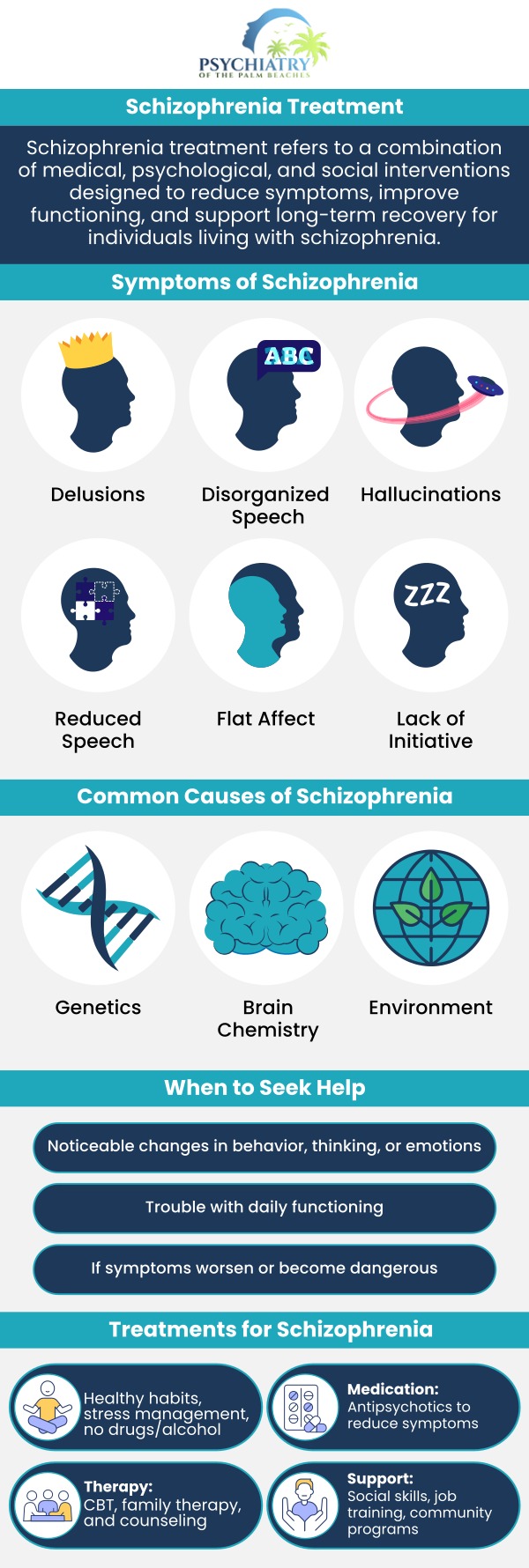
Table of Contents:
Why is physical health monitoring part of schizophrenia treatment?
What health checks might be recommended while taking antipsychotic medication?
Which physical changes or possible side effects should patients report?
How can psychiatric and primary care clinicians coordinate health monitoring?
What should patients discuss with Psychiatry of the Palm Beaches in Hilton Head Island, SC, about physical health monitoring during schizophrenia treatment?
Medical References
Physical health monitoring is important because schizophrenia and its treatments can affect overall well-being. Certain antipsychotic medications may increase the likelihood of weight gain, diabetes, high cholesterol, or other health concerns. These changes do not happen to everyone, and risks vary depending on the medication, medical history, and individual health factors.
Some physical conditions develop gradually without noticeable symptoms. For example, blood sugar or cholesterol levels may rise before a patient feels anything unusual. Routine monitoring helps clinicians recognize these changes and recommend appropriate care.
Physical health assessments also provide an opportunity to discuss sleep, nutrition, exercise, smoking, and existing medical conditions. These everyday factors can influence long-term health and treatment.
Our team at Psychiatry of the Palm Beaches recognizes the importance of discussing physical well-being alongside psychiatric symptoms. Medication reviews and follow-up visits can help patients understand potential side effects and when additional medical evaluation may be necessary.
Patients taking antipsychotic medications may need several health assessments before starting treatment and during follow-up care. The recommended tests depend on the medication, medical history, and possible side effects.
Common assessments include:
● Weight and body mass index (BMI): Monitoring changes that may occur after starting medication.
● Blood pressure and heart rate: Checking for changes that could affect cardiovascular health.
● Blood glucose or A1C: Screening for elevated blood sugar, prediabetes, or diabetes.
● Cholesterol and triglycerides: Identifying changes in blood fats that can affect heart health.
● Movement assessments: Checking for tremors, stiffness, restlessness, or involuntary movements.
Additional testing may be necessary for certain medications. For example, patients taking clozapine require regular blood tests to monitor white blood cell counts. An electrocardiogram (ECG), which checks the heart’s electrical activity, may be recommended when specific medications or heart-related risk factors are present.
Blood sugar screening is commonly recommended before beginning a second-generation antipsychotic, approximately 12–16 weeks afterward, and annually thereafter. Other monitoring schedules vary.
Not every patient needs every test. Our medication management services can help patients discuss treatment concerns and understand which monitoring recommendations should be reviewed with their prescribing and primary care clinicians.
Patients should tell their healthcare providers about new or worsening physical symptoms, even when they seem unrelated to schizophrenia treatment. Possible medication-related changes include unusual weight gain, excessive sleepiness, dizziness, constipation, dry mouth, or ongoing restlessness. Muscle stiffness, shaking, and repeated movements of the lips, tongue, or face also deserve attention.
Increased thirst, frequent urination, or unexplained fatigue may indicate elevated blood sugar and should be evaluated promptly. Changes in menstrual periods, breast discharge, or sexual functioning may sometimes be associated with medication-related hormone changes.
Certain symptoms require immediate medical attention. A high fever accompanied by severe muscle stiffness, confusion, or a rapid heartbeat may indicate a rare but potentially life-threatening medication reaction called neuroleptic malignant syndrome. Call 911 or seek emergency care if these symptoms occur.
Patients should not stop or change prescribed antipsychotic medication without medical guidance. Abrupt changes can cause problems, including the return or worsening of psychiatric symptoms. During medication follow-up, our team encourages patients to discuss side effects openly so their concerns can be evaluated and appropriate next steps considered.
Psychiatric and primary care clinicians have different but complementary responsibilities during schizophrenia treatment. Psychiatric clinicians generally focus on mental health symptoms, medication effectiveness, and potential psychiatric medication side effects. Primary care clinicians can assess blood pressure, diabetes risk, cardiovascular health, and other medical conditions.
With the patient’s permission, both clinicians can share medication lists, laboratory results, and relevant medical information. This helps identify possible drug interactions, avoid unnecessary repeated testing, and clarify who will arrange follow-up assessments.
For example, if routine testing shows elevated blood sugar, a primary care clinician may evaluate the findings while the psychiatric prescriber considers whether medication changes are appropriate.
Patients can support communication by keeping an updated medication list, attending recommended appointments, and sharing important health changes with both clinicians. Family members or caregivers may also help with appointments and medication routines when the patient agrees.
Patients receiving schizophrenia treatment should feel comfortable asking questions about how their medications may affect physical health. At Psychiatry of the Palm Beaches, our team provides psychiatric treatment support and medication management services. Patients can discuss new symptoms, concerns about medication side effects, changes in their general health, and the need for ongoing follow-up.
Helpful questions include whether blood sugar or cholesterol testing is recommended, how often physical health checks should occur, and which healthcare professional should arrange them. Patients should also discuss existing conditions such as diabetes, heart disease, or high blood pressure, as these may influence treatment decisions.
Bringing an updated medication list and recent laboratory results can make these conversations more productive. Regular communication between patients and their healthcare professionals supports informed treatment decisions and helps address physical health concerns throughout schizophrenia care. For more information, contact us today or book an appointment online. We are conveniently located at 19 Shelter Cove Lane Suite 202 Hilton Head Island, SC 29928. We serve patients from Hilton Head Island FL, including Windmill Harbour FL, Harbour Town FL, South Beach FL, Wexford FL, and surrounding communities throughout Beaufort County, South Carolina.
● American Psychiatric Association — Choosing Wisely: Antipsychotic Evaluation and Monitoring. Read Guidance
● American Diabetes Association — Standards of Care in Diabetes. Read Guidelines
● National Institute of Mental Health — Schizophrenia. Read Resource
● National Institute of Mental Health — Mental Health Medications. Read Resource
● National Library of Medicine — Read Drug Safety Information
Check Out Our 5 Star Reviews



Additional Services You May Need
▸ Mental Wellness
▸ Relationship Coaching
▸ Depression and Mood Disorders
▸ Women’s Health
▸ Panic Disorder
▸ Medications Management
▸ Men’s Health
▸ Individual Psychotherapy
▸ Bipolar
▸ ADHD
▸ Geriatric Mental Health
▸ Couple’s Counseling
▸ Obsessive Compulsive Disorder
▸ Social Phobia Treatment
▸ Eating Disorders
▸ Post Traumatic Stress Disorder
▸ Psychotic Disorders



 Send Text
 How May I Help You?
