

Identifying Early Signs of Mental Health Struggles in Children
Recognizing the early warning signs of mental health struggles in children, such as sudden behavioral shifts, social withdrawal, or persistent anxiety, is the vital first step toward effective intervention. Our dedicated team of pediatric professionals provides a safe, welcoming environment to conduct comprehensive evaluations, working collaboratively with your family to deeply understand your child’s unique emotional needs. For more information, contact us today or book an appointment online! We are conveniently located at 2950 Halcyon Lane Suite 605 Jacksonville, FL 32223.
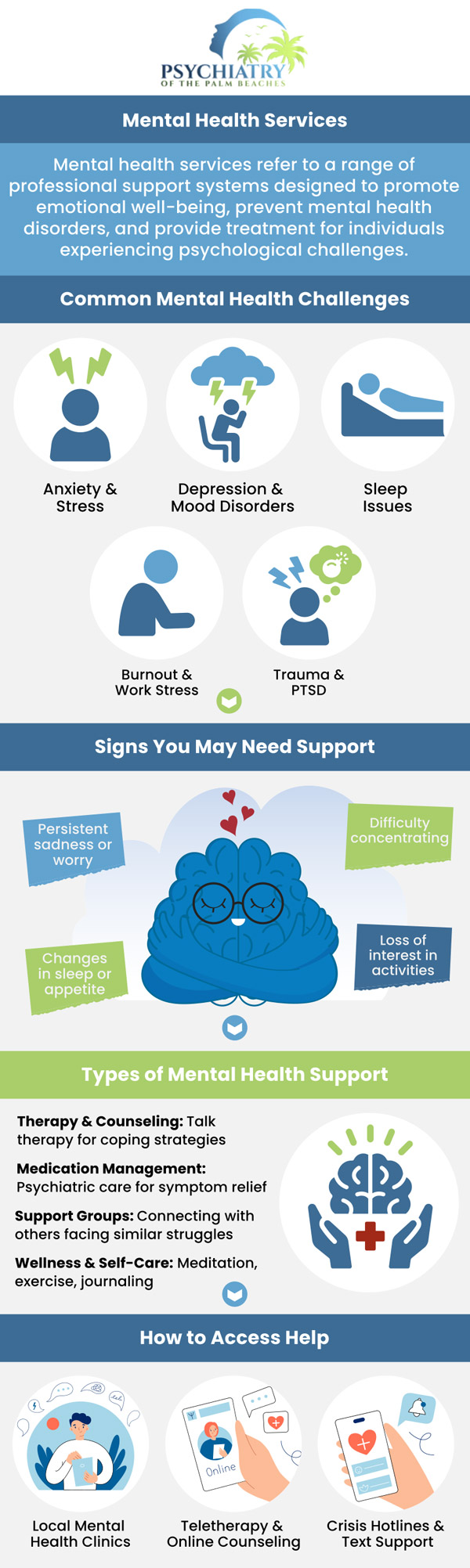
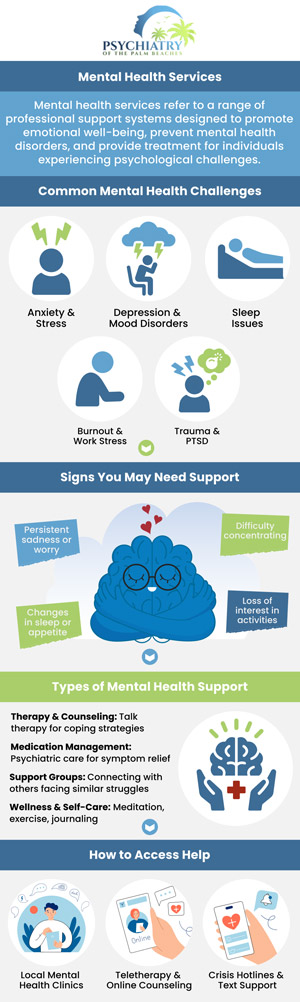
Table of Contents:
What are the common early signs of mental health struggles in children?
How can I tell if my child is struggling with anxiety or depression?
What should I do if I notice signs of mental health struggles in my child?
Are there specific behaviors that might indicate ADHD or other learning disorders?
How can Psychiatry of Palm Beaches help identify and address early signs of mental health struggles in your child?
Early signs of mental health challenges in children can often be subtle and easy to overlook. These signs may look different depending on your child’s age, personality, and unique circumstances. However, parents and caregivers should be attentive to noticeable changes in mood, such as increased irritability, sadness, or frequent mood swings, as these may be early indicators of emotional distress.
A child who suddenly becomes withdrawn, avoids friends or family, or loses interest in activities they once enjoyed may be silently struggling. If you notice a sudden decline in school performance, this too can be a sign that your child needs additional support.
Physical complaints like headaches or stomachaches without a clear medical cause are often linked to emotional or psychological stress. Changes in sleep patterns, whether it’s trouble falling asleep, staying asleep, or sleeping more than usual, can also signal underlying concerns. Some children may develop new, excessive worries or fears, while others may experience significant changes in appetite.
Behavioral changes, such as increased defiance, aggression, frequent temper tantrums, or difficulty concentrating, can be red flags as well. Younger children might even regress to earlier behaviors, like bedwetting or increased clinginess, especially during times of stress.
Recognizing when your child is experiencing anxiety or depression can be difficult, especially since the signs often look different in children than in adults. At Psychiatry of the Palm Beaches, we understand that children may not always express their emotions directly, instead, you might notice changes in their behavior, mood, or daily routines.
If your child seems persistently sad, irritable, or withdrawn, this could be a sign of depression. Other warning signs include losing interest in favorite activities, difficulty concentrating, changes in sleep or appetite, or frequent complaints of headaches or stomachaches without a clear medical cause.
Anxiety in children can show up as excessive worry, fear, or nervousness that interferes with their daily life. Your child might avoid certain activities, become overly clingy, or express constant concern about school, friendships, or family issues. Physical symptoms such as restlessness, fatigue, trouble sleeping, or unexplained aches and pains can also be signs of anxiety.
While occasional mood changes or worries are a normal part of growing up, persistent symptoms that last for weeks and begin to interfere with your child’s functioning at home, in school, or with friends may be a sign that professional support is needed.
If you notice signs of mental health struggles in your child, it’s important to respond with sensitivity, understanding, and timely action. At Psychiatry of the Palm Beaches, we encourage parents and caregivers to be attentive to any changes in their child’s behavior, mood, sleep patterns, appetite, or academic performance. Warning signs, such as persistent sadness, social withdrawal, excessive worry, irritability, sudden mood swings, or any talk of self-harm, should be taken seriously.
We recommend starting with an open and gentle conversation. Let your child know you are concerned and available to listen without judgment. Encourage them to share their feelings, and validate their emotions, remind them that it’s okay to feel upset, anxious, or overwhelmed. Creating a supportive environment at home can help your child feel safe and understood.
Involving other trusted adults, such as teachers, school counselors, or close family members, can also provide additional support. Keep communication lines open and check in regularly with your child to monitor any changes.
If your child’s symptoms persist, worsen, or interfere with daily life, consider reaching out to a mental health professional.
While seeking professional guidance, help your child maintain a balanced routine with regular physical activity, healthy eating, sufficient sleep, and time for relaxation or hobbies. Reducing stress at home, offering patience, and showing consistent love and support are essential in promoting your child’s mental health.
ADHD can present differently in each individual, but some common signs include:
● Frequent inattention or distractibility
● Trouble focusing on tasks, conversations, or following instructions
● Difficulty organizing activities and managing daily responsibilities
● Often losing items necessary for tasks
● Hyperactivity, such as restlessness, difficulty sitting still, or excessive talking
● Impulsivity, including interrupting others or acting without considering consequences
Learning Disorders: More Than Just School Struggles
Learning disorders, such as dyslexia or dyscalculia, can affect both children and adults. Signs may include:
● Ongoing difficulties with reading, writing, or math
● Reading slowly, making frequent mistakes, or reversing letters or numbers
● Trouble understanding or following instructions and sequences
● Academic or work performance that doesn’t match effort or intelligence
These challenges are not due to a lack of motivation or ability, but rather differences in how the brain processes information.
When Should You Seek Help?
It’s normal to occasionally forget things, lose focus, or have trouble with school or work, especially during periods of stress. However, if these behaviors are persistent, noticeable across different settings (home, school, work), and interfere with academic, occupational, or social functioning, it may be time for a professional evaluation.
At Psychiatry of the Palm Beaches, we are dedicated to providing comprehensive and compassionate mental health care for children and adolescents in our community. Our team of experienced child and adolescent psychiatrists understands that early identification is key to addressing mental health challenges before they become more serious.
We work closely with families to recognize the subtle emotional or behavioral changes that may signal underlying concerns, such as mood swings, social withdrawal, academic difficulties, or changes in sleep and appetite. Using thorough assessments, including detailed interviews with both the child and their caregivers and age-appropriate psychological testing when indicated, our clinicians strive to pinpoint early warning signs quickly and accurately.
Once concerns are identified, we tailor treatment plans to each child’s unique needs. This may include individual therapy, family counseling, or, when appropriate, carefully monitored medication management. Our team also collaborates with schools and other healthcare providers to create a strong support network for every child we serve. For more information, contact us today or book an appointment online! We are conveniently located at 2950 Halcyon Lane Suite 605 Jacksonville, FL 32223. We serve patients from Jacksonville FL, Riverside FL, Mandarin FL, Julington Creek FL, Fruit Cove FL, Orange Park FL, and surrounding areas.
Check Out Our 5 Star Reviews



Additional Services You May Need
▸ Mental Wellness
▸ Relationship Coaching
▸ Depression and Mood Disorders
▸ Women’s Health
▸ Panic Disorder
▸ Medications Management
▸ Men’s Health
▸ Individual Psychotherapy
▸ Bipolar
▸ ADHD
▸ Geriatric Mental Health
▸ Couple’s Counseling
▸ Obsessive Compulsive Disorder
▸ Social Phobia Treatment
▸ Eating Disorders
▸ Post Traumatic Stress Disorder
▸ Psychotic Disorders



 Send Text
 How May I Help You?