

Asperger’s Syndrome and the Transition to College
Starting college is an exciting milestone, but it also brings new routines, responsibilities, and social experiences. For students with Asperger’s syndrome, adjusting to an unfamiliar environment may require additional preparation. Changes in schedules, living arrangements, and academic expectations can feel overwhelming, especially when familiar support systems are no longer nearby. Asperger’s syndrome is now included under the diagnosis of autism spectrum disorder (ASD), although many people still identify with the older term. At Psychiatry of the Palm Beaches in Stuart, FL, our team provides personalized support for individuals with autism-related challenges. Understanding what to expect and preparing for possible difficulties can help students approach college with greater confidence. For more information, contact us today or book an appointment. We are conveniently located at 729 SW Federal Hwy Suite #104, Stuart, FL 34994.
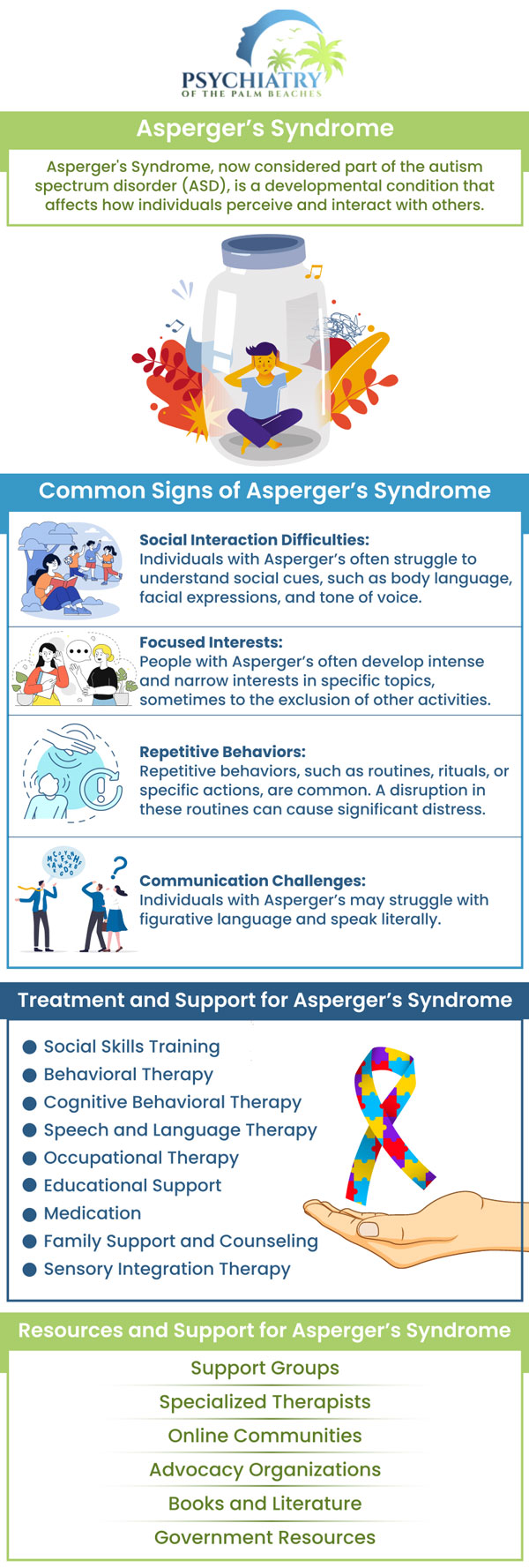
Table of Contents:
How can autistic students prepare for changes in routine before college?
What should students consider when choosing housing and campus support?
How can students communicate support needs to a college disability services office?
How can students maintain mental health care when moving away from home?
What should students discuss with Psychiatry of the Palm Beaches in Stuart, FL, before transitioning to college?
Autistic students can prepare for college by gradually practicing new routines before the semester begins. Moving from a structured high school environment to college often means managing classes, assignments, meals, transportation, and personal responsibilities more independently.
Students may benefit from creating a weekly schedule that includes study periods, meals, exercise, and downtime. Digital calendars, reminders, and visual planners can make everyday responsibilities easier to manage.
Visiting the campus beforehand can also be helpful. Becoming familiar with classroom locations, dining areas, libraries, and quiet spaces may reduce uncertainty during the first few weeks. Students can also practice independent living skills, such as doing laundry, managing spending, and preparing simple meals.
Because unexpected changes are part of college life, it’s helpful to develop backup plans. For example, students might identify another study location when their usual space becomes crowded.
At Psychiatry of the Palm Beaches, our team recognizes that every autistic student experiences transitions differently. Personalized mental health support can help address emotional challenges associated with significant life changes.
Choosing the right living arrangement can make a meaningful difference in how comfortable an autistic student feels at college. Noise levels, privacy, roommate expectations, and access to quiet spaces are important considerations.
Some students enjoy shared dormitory environments, while others may prefer a single room or a quieter residence hall. Neither arrangement is automatically better. The most suitable option depends on individual sensory preferences, daily routines, and support needs.
Before selecting housing, students should ask about available accommodations, roommate matching, bathroom arrangements, and policies regarding quiet hours. Campus resources can also support a smoother transition. Depending on the institution, these may include academic advising, counseling services, peer mentoring, autism support programs, and disability services.
Students may benefit from exploring these resources before arriving rather than waiting until difficulties develop. Family members can help students evaluate their options while encouraging independent decision-making. The goal is to find an environment that supports learning, personal comfort, and meaningful participation in campus life.
Students can begin by contacting their college’s disability services office before classes start. Unlike high school, colleges generally expect students to request accommodations themselves rather than automatically arranging support.
Under federal disability laws, eligible students may receive reasonable academic adjustments based on their documented needs. Depending on individual circumstances, accommodations may include extended testing time, reduced-distraction testing environments, note-taking assistance, or adjustments to course registration procedures.
Students should explain how autism affects their learning and daily functioning rather than relying on a diagnosis alone. For example, difficulty concentrating in noisy classrooms may support a request for a quieter testing environment.
Accommodation requests are reviewed individually, and colleges are not required to eliminate essential academic requirements. Students should ask about documentation deadlines, approval procedures, and whom to contact when an approved accommodation is not working.
Maintaining access to mental health care is an important part of preparing for college, especially for students already receiving treatment for anxiety, depression, ADHD, or other conditions. Before moving, students should discuss their treatment plans with their current mental health professionals. This may include reviewing medications, arranging necessary prescription refills, and identifying appropriate providers near campus.
Students should never stop prescribed psychiatric medications or change doses without guidance from their prescribing clinician. Sudden changes can cause withdrawal symptoms, returning symptoms, or other complications, depending on the medication. Regular therapy appointments may provide continued support for students managing academic pressure, social expectations, or emotional distress.
When college is located outside Florida, students should confirm whether their existing provider can legally continue telehealth appointments in the state where they will be living. Developing a personal support network is equally important. Trusted friends, family members, campus counseling professionals, and local healthcare providers can provide different forms of assistance.
Before leaving for college, students can discuss their emotional concerns, current treatment needs, and anticipated challenges with our team at Psychiatry of the Palm Beaches. During an appropriate clinical appointment, students may discuss difficulties with changing routines, navigating unfamiliar social environments, managing academic stress, or maintaining healthy sleep habits.
Our team also provides psychiatric services that may include psychotherapy and mental health support when clinically appropriate. Treatment recommendations depend on each patient’s symptoms, medical history, and individual needs.
Families can participate in planning when appropriate and with the student’s permission. Encouraging students to communicate their own needs can also help them build confidence in managing their healthcare independently. For more information, contact us today or book an appointment. We are conveniently located at 729 SW Federal Hwy Suite #104, Stuart, FL 34994. We serve patients from Stuart, FL, Port St. Lucie FL, River Park FL, White City FL, Palm City FL, Port Salerno FL, and surrounding areas.
Check Out Our 5 Star Reviews



Additional Services You May Need
▸ Mental Wellness
▸ Relationship Coaching
▸ Depression and Mood Disorders
▸ Women’s Health
▸ Panic Disorder
▸ Medications Management
▸ Men’s Health
▸ Individual Psychotherapy
▸ Bipolar
▸ ADHD
▸ Geriatric Mental Health
▸ Couple’s Counseling
▸ Obsessive Compulsive Disorder
▸ Social Phobia Treatment
▸ Eating Disorders
▸ Post Traumatic Stress Disorder
▸ Psychotic Disorders



 Send Text
 How May I Help You?
