

Common Sensory Sensitivities in Asperger Syndrome and How to Manage Them
People with Asperger Syndrome often experience the world with heightened sensory awareness, meaning everyday sounds, bright lights, or certain clothing textures can trigger intense discomfort and anxiety. Navigating these challenges requires a proactive approach, blending environmental adjustments like creating sensory-friendly zones with accessible self-regulation tools such as weighted blankets or specialized earplugs. By honoring these unique neurological needs and implementing thoughtful strategies, our dedicated team offers personalized care so that individuals can transform daily hurdles into manageable moments, paving the way for a more comfortable and focused life. For more information, contact us today or book an appointment online! We are conveniently located at 2950 Halcyon Lane Suite 605 Jacksonville, FL 32223.
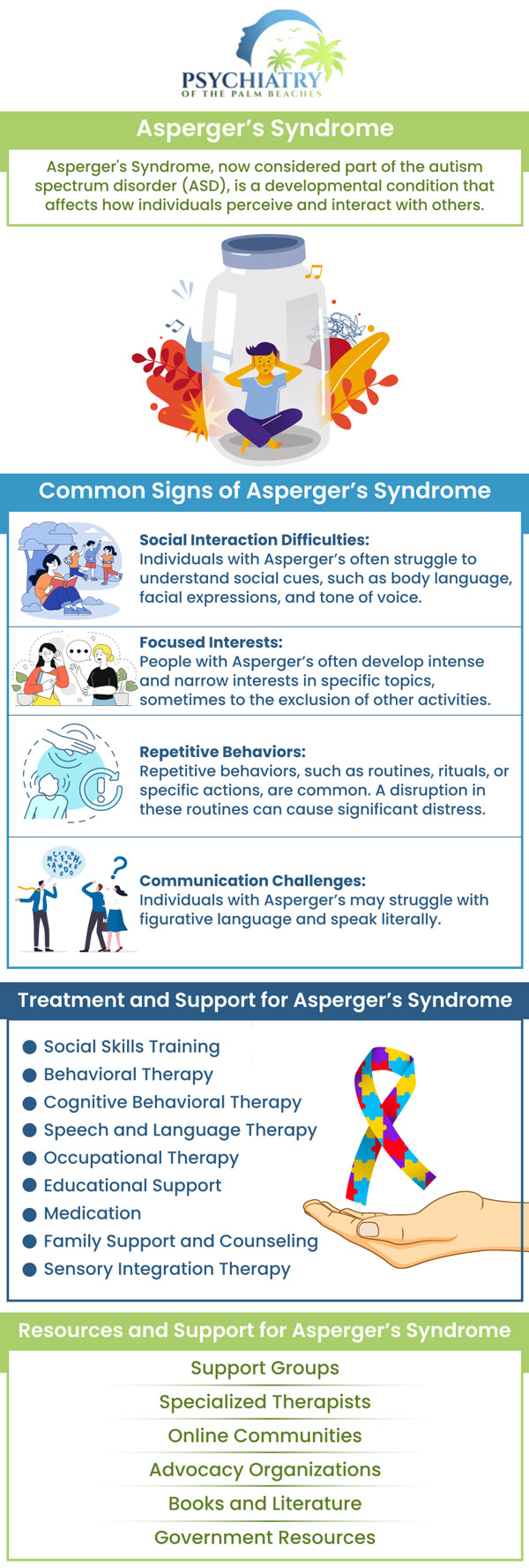
Table of Contents:
What are common sensory sensitivities in Asperger syndrome?
How can I help my child with sensory sensitivities?
How can sensory sensitivities impact daily life for individuals with Asperger Syndrome?
Can occupational therapy help with sensory sensitivities in Asperger’s syndrome?
How can Psychiatry of Palm Beaches assist in managing sensory sensitivities related to Asperger’s syndrome?
Sensory sensitivities are a hallmark feature for many individuals on the autism spectrum, including those previously diagnosed with Asperger syndrome. These sensitivities may involve heightened (hypersensitivity) or reduced (hyposensitivity) responses to everyday sensory experiences.
For our patients and their families, this might mean significant discomfort or distress in response to common sounds, such as loud noises, background chatter, or alarms. Visual sensitivities, such as aversion to bright lights, flickering fluorescent bulbs, or certain patterns, can also affect daily comfort and functioning. Many individuals are sensitive to touch, finding fabrics, clothing tags, or unexpected contact unpleasant or even painful. In some cases, sensitivities extend to taste and smell, leading to strong reactions to specific foods or scents.
At Psychiatry of the Palm Beaches, we understand how these sensory issues can affect daily life, whether it’s avoiding crowded spaces, experiencing challenges in noisy environments like schools or shopping centers, or being particular about clothing and foods. We also know that these experiences are unique to each individual. Some may be overwhelmed by sensory input, while others may seek out certain sensations, such as spinning or touching specific textures.
Our clinical team is committed to supporting families, educators, and patients in understanding and managing sensory sensitivities.
Children with sensory sensitivities require individualized care to manage daily challenges. Our team is committed to helping families understand and address these unique needs in a compassionate environment.
● Recognizing Sensory Triggers: Observe how your child reacts to everyday situations. Sensitivities to loud noises, bright lights, textures, or smells can be overwhelming. Our clinicians assess these triggers and work with families to develop strategies to reduce discomfort.
● Creating a Supportive Home Environment: Small changes at home can help. Dim lights, reduce background noise, or use softer fabrics for clothing. We guide families in creating sensory-friendly spaces and suggest tools like noise-canceling headphones or fidget toys to enhance comfort.
● Encouraging Communication and Self-Advocacy: Open communication is key. We help parents and children express their feelings and validate their experiences. Over time, children develop self-advocacy skills, learning to express discomfort and request breaks, empowering them in managing their needs.
● Establishing Routines and Preparing for Change: Consistent routines reduce anxiety. We help families establish daily schedules and prepare children for any changes, providing strategies to make transitions smoother.
● Collaboration with Other Professionals: We collaborate with occupational therapists and specialists to offer additional strategies tailored to your child’s needs.
● Ongoing Support and Progress Monitoring: We provide ongoing support and monitor progress, working with caregivers to ensure consistency and build your child’s confidence in navigating their sensory world.
Sensory sensitivities are common in individuals with Asperger Syndrome, significantly impacting daily life. At Psychiatry of the Palm Beaches, we recognize that individuals may be hypersensitive (over-responsive) or hyposensitive (under-responsive) to sensory inputs like sounds, lights, textures, smells, and pain. These sensitivities can make everyday environments overwhelming. For example, bright lights or loud noises in public places can trigger distress, making activities like shopping or social gatherings challenging.
Sensory sensitivities can also affect clothing choices and eating habits, as irritation from fabrics or food textures may lead to restricted wardrobes or selective eating. In school or work settings, sensitivities can make it difficult to concentrate, especially in noisy environments, impacting performance. Social situations may also cause withdrawal, irritability, or meltdowns, which are often misunderstood.
At Psychiatry of the Palm Beaches, we help individuals with Asperger Syndrome and their families manage these sensitivities. Through personalized evaluations and treatment plans, we offer strategies like sensory integration, coping skills training, and collaboration with occupational therapists. Our goal is to empower patients to navigate daily challenges more comfortably and confidently.
Sensory challenges, such as heightened sensitivity or reduced responsiveness to sounds, lights, textures, or movement, can be overwhelming and disruptive.
To support our patients, we frequently collaborate with experienced occupational therapists who specialize in addressing sensory sensitivities. Through comprehensive assessment, occupational therapists can identify each individual’s unique sensory challenges and how these affect participation in everyday activities.
Working closely with our psychiatric team, occupational therapists develop personalized intervention plans. These may involve sensory integration therapy, which helps individuals gradually become more comfortable with challenging sensory experiences. Patients may also learn coping strategies such as deep breathing, and be introduced to helpful sensory tools like noise-cancelling headphones, fidget items, or weighted blankets.
Occupational therapy complements our psychiatric care by helping individuals establish routines and adapt environments, at home, school, or work, to minimize sensory overload. Recommendations might include creating quiet spaces or modifying lighting to support a calmer, more manageable environment.
At Psychiatry of the Palm Beaches, we recognize that individuals with Asperger’s syndrome often experience heightened sensory sensitivities, which can make daily life challenging. Our compassionate team works closely with families to identify specific sensory triggers, such as sensitivity to light, sound, textures, or smells. Through detailed assessments, we help pinpoint these triggers and develop customized strategies to minimize exposure and manage discomfort effectively. This individualized approach ensures that your child or loved one receives the specific support they need to feel more at ease in various environments.
We also focus on empowering individuals with Asperger’s syndrome by helping them build self-advocacy skills. Our clinicians work with both the individual and their family to teach strategies for recognizing when sensory sensitivities are becoming overwhelming and how to communicate these needs in a constructive way. Additionally, we offer guidance on creating sensory-friendly spaces at home and school, utilizing tools like noise-canceling headphones or weighted blankets to improve comfort. Our goal is to provide ongoing support, ensuring that those with Asperger’s syndrome can navigate their sensory world with greater confidence and less anxiety. For more information, contact us today or book an appointment online! We are conveniently located at 2950 Halcyon Lane Suite 605 Jacksonville, FL 32223. We serve patients from Jacksonville FL, Riverside FL, Mandarin FL, Julington Creek FL, Fruit Cove FL, Orange Park FL, and surrounding areas.
Check Out Our 5 Star Reviews



Additional Services You May Need
▸ Mental Wellness
▸ Relationship Coaching
▸ Depression and Mood Disorders
▸ Women’s Health
▸ Panic Disorder
▸ Medications Management
▸ Men’s Health
▸ Individual Psychotherapy
▸ Bipolar
▸ ADHD
▸ Geriatric Mental Health
▸ Couple’s Counseling
▸ Obsessive Compulsive Disorder
▸ Social Phobia Treatment
▸ Eating Disorders
▸ Post Traumatic Stress Disorder
▸ Psychotic Disorders



 Send Text
 How May I Help You?